 Admin
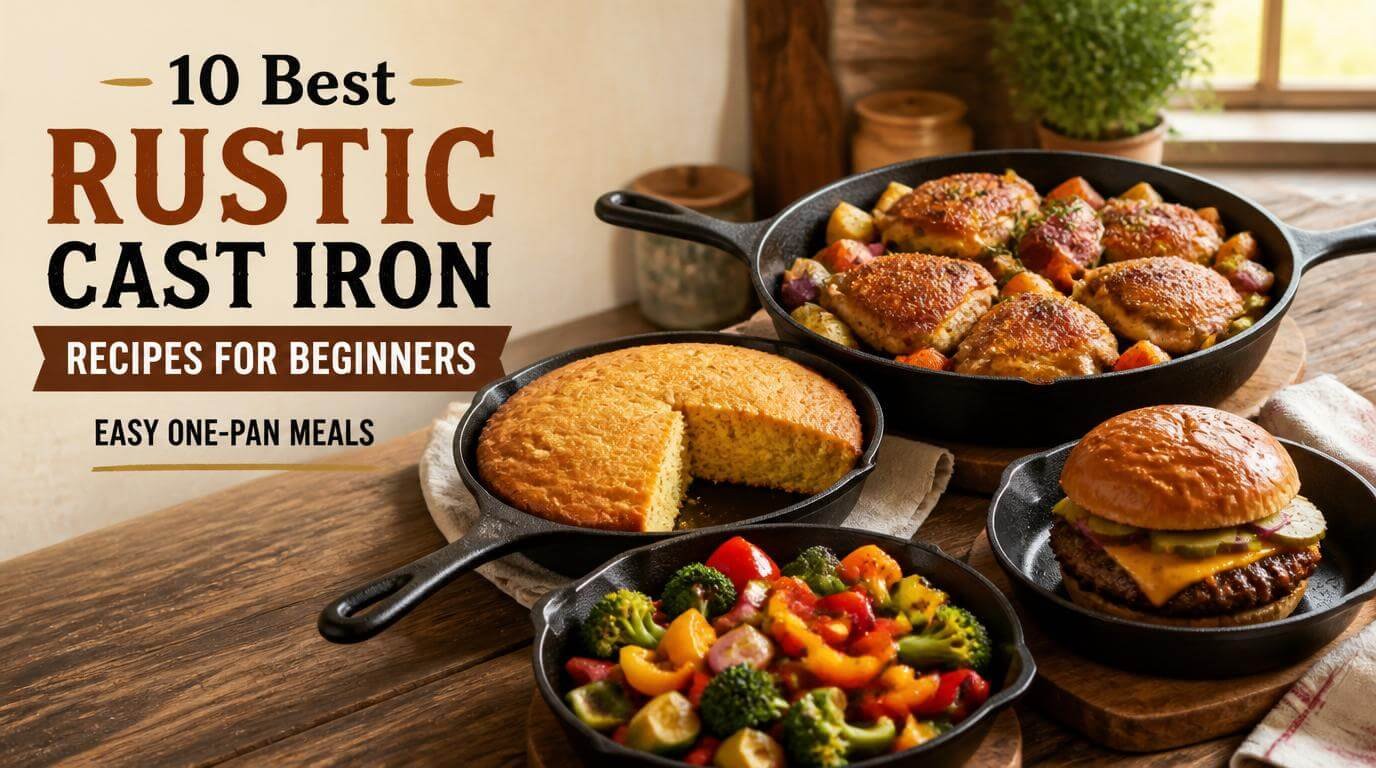
Admin The best rustic recipes for beginners cooking with cast iron are the ones that make you feel like you actually know what you’re doing in the kitchen, even if you just burned toast yesterday. There’s something deeply satisfying about pulling a skillet off the stove and seeing a golden, crusty, restaurant-worthy meal you made with one pan. I remember my first cast iron cornbread and thinking, “Why did I wait so long?” These recipes changed how I cook, and I think they’ll do the same for you.
1. Skillet Cornbread That Actually Has a Crust
Nothing baptizes a cast iron skillet quite like cornbread. The trick is preheating your skillet with butter or bacon grease inside, so when the batter hits that hot surface, you get an immediate sizzle. That’s where the legendary crust comes from.
I use a simple mix of cornmeal, flour, buttermilk, one egg, and a pinch of sugar. Some purists skip the sugar entirely, and honestly, both versions taste great. Pour the batter into the screaming hot Lodge 10.25-inch skillet, slide it into a 425°F oven, and walk away for 20 minutes. The edges will be dark golden and almost crispy, while the center stays tender. Serve it with honey butter or just eat it plain, standing over the stove like I do.
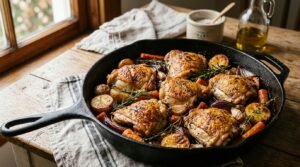
2. One-Pan Rustic Chicken Thighs With Root Vegetables
Bone-in, skin-on chicken thighs were basically designed for cast iron. You sear them skin-side down for about five minutes until the skin turns crispy and golden, then flip them onto a bed of chopped potatoes, carrots, and onions.
Season everything with salt, pepper, garlic powder, and a few sprigs of fresh rosemary if you have it. The whole pan goes into a 400°F oven for 35 to 40 minutes. The chicken fat renders down and bastes the vegetables while they roast, which means everything in that pan tastes incredible without much effort. This was one of the first cast iron meals I ever made, and I still cook it at least twice a month.
3. Cast Iron Smash Burgers
Once I figured out smash burgers in a cast iron skillet, I stopped going to burger joints. You need ground beef formed into loose balls, about three ounces each. Get your skillet ripping hot, almost smoking, place a ball on the surface, and press it flat with a sturdy spatula.
The key is not touching it for about two minutes. Let that crust develop. You’ll see the edges turn dark and lacy, and that’s when you know you’re doing it right. Flip once, add American cheese immediately, and let it melt for 30 seconds. Stack two patties on a Martin’s potato roll with pickles and raw onion. It’s a four-minute meal that tastes like it came from a $15 menu.
4. Shakshuka, the Easiest Impressive Breakfast
Shakshuka sounds fancy, but it’s really just eggs poached in a spiced tomato sauce, and cast iron holds the heat perfectly for it. Sauté diced onion and bell pepper in olive oil, add garlic, cumin, paprika, and a pinch of cayenne. Pour in a can of crushed San Marzano tomatoes and let it simmer for about ten minutes until it thickens slightly.
Make small wells in the sauce with a spoon and crack eggs directly into them. Cover the skillet with a lid or foil and cook on medium-low for five to seven minutes until the whites set but the yolks stay runny. Crumble feta on top and tear some fresh bread for dipping. I brought this to a brunch once and people acted like I went to culinary school.
5. Dutch Baby Pancake
A Dutch baby is basically a giant, puffy, oven-baked pancake that requires zero skill and looks wildly impressive. Blend eggs, flour, milk, vanilla, and a pinch of salt in a blender. Melt butter in your cast iron skillet in a 425°F oven, then pour the batter straight in.
It puffs up dramatically around the edges in about 15 to 18 minutes, creating this golden bowl shape. The center stays custardy while the edges get crisp. Squeeze lemon juice over the top, dust with powdered sugar, and add fresh berries if you’re feeling extra. My kids go absolutely wild for this, and it takes less time than making regular pancakes on a griddle.

6. Rustic Skillet Pot Pie
Store-bought puff pastry is your best friend here. Brown chunks of leftover chicken or turkey in the skillet with butter, then add diced onion, carrots, celery, and peas. Stir in flour to make a roux, pour in chicken broth and a splash of heavy cream, and let it thicken into a rich gravy.
Lay a sheet of Pepperidge Farm puff pastry right over the top of the filling, tuck the edges loosely, and cut a few slits for steam. Bake at 400°F for about 25 minutes until the pastry turns deep golden and flaky. The cast iron keeps the filling bubbling hot long after you pull it out. This is comfort food at its most honest, and cleanup is basically just one pan.
7. Simple Skillet Peach Cobbler
Best rustic recipes for beginners cooking with cast iron should always include dessert, and skillet peach cobbler is the one I recommend first. Melt a stick of butter in the skillet, pour a simple batter of flour, sugar, milk, and baking powder over it, then layer sliced peaches on top. Do not stir.
The batter rises up around the fruit as it bakes at 350°F for about 45 minutes. The edges caramelize against the hot iron, creating a buttery, crispy shell that no baking dish can replicate. Fresh peaches in summer are ideal, but canned peaches work perfectly fine in the off-season. Add a scoop of vanilla ice cream and you have a dessert that looks like it took an hour but really took five minutes of active work.
8. Pan-Seared Steak With Garlic Butter
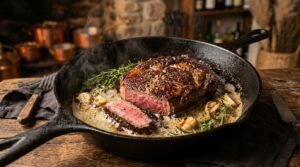
You do not need a grill to cook an amazing steak. A cast iron skillet gets hot enough to create a serious sear that rivals any steakhouse. Pat a ribeye or New York strip completely dry with paper towels, season generously with salt and pepper, and let it sit at room temperature for 30 minutes before cooking.
Get the skillet smoking hot with a high-smoke-point oil like avocado oil. Lay the steak away from you to avoid splatter and do not move it for three to four minutes per side. In the last minute, add butter, crushed garlic, and fresh thyme, then baste the steak by spooning that foaming butter over the top repeatedly. Rest the steak for five minutes before slicing. The crust you get from cast iron is something a regular nonstick pan simply cannot produce.
9. Rustic Frittata With Whatever You Have
A frittata is the ultimate “clean out the fridge” meal, and cast iron makes the transition from stovetop to oven completely seamless. Whisk six to eight eggs with a splash of milk, salt, and pepper. Sauté whatever vegetables you have on hand, like mushrooms, spinach, cherry tomatoes, or leftover roasted peppers.
Pour the egg mixture over the vegetables, let the bottom set for two minutes on medium heat, then slide the skillet under the broiler for three to four minutes. The top puffs up and turns spotty brown. Add goat cheese or shredded gruyère before broiling if you want it extra rich. I make a frittata almost every Sunday with whatever odds and ends are left from the week. It’s never the same twice and it’s never bad.
10. Campfire-Style Skillet Nachos
This one feels more like a snack than a recipe, but it’s become a Friday night staple at my house. Layer tortilla chips in the skillet with shredded cheddar, black beans, pickled jalapeños, and cooked ground beef or seasoned chicken.
Pop the whole thing under the broiler for three to four minutes until the cheese is melted and bubbly with a few charred spots. Pull it out and top with sour cream, fresh cilantro, diced avocado, and a squeeze of lime. The cast iron keeps the bottom chips warm and slightly crispy instead of soggy, which is the main advantage over a regular baking sheet. Everyone grabs a chip straight from the skillet, and suddenly dinner is an event.
Tips for Cast Iron Beginners
Before you start cooking through this list, a few things will save you frustration. First, always preheat your skillet slowly on medium heat for a few minutes. Cranking it to high immediately can create hot spots that cause uneven cooking and sticking.
Second, seasoning your pan matters, but it’s not as scary as people make it sound. After each use, wash it with hot water and a small amount of soap (yes, soap is fine, the old myth about never using soap on cast iron is outdated), dry it completely, and rub a very thin layer of Crisco or flaxseed oil over the cooking surface. That’s it.
Third, use metal spatulas. They actually help maintain the seasoning by smoothing the surface over time. A Lodge fish spatula is my go-to tool for cast iron cooking and it costs about eight dollars.
Frequently Asked Questions
Do I need to season a new cast iron skillet before using it?
Most modern cast iron skillets from brands like Lodge come pre-seasoned and ready to use right out of the box. You can start cooking immediately. Over time, the seasoning builds up naturally with regular use. If food starts sticking more than usual, do a round of oven seasoning with a thin coat of oil at 450°F for an hour.
What are the best rustic recipes for beginners cooking with cast iron on a budget?
Cornbread, frittatas, and skillet nachos are all incredibly cheap to make. Eggs, tortilla chips, canned tomatoes, and basic pantry staples keep costs low. Chicken thighs are one of the most affordable cuts of meat and they taste better in cast iron than almost any other cooking method. You can eat well for under five dollars a serving with most of these recipes.
Can I use cast iron on a glass top stove?
Yes, but you need to be careful. Lift the skillet instead of sliding it to avoid scratching the glass surface. Also, cast iron heats unevenly on glass tops, so preheating slowly on medium is even more important. Some people place a thin silicone mat underneath for protection, but I’ve used mine directly on glass for years without any problems.
How do I fix a rusty cast iron skillet?
Scrub the rust off with steel wool or a chainmail scrubber until you see bare metal. Wash and dry the skillet thoroughly, then apply a thin layer of vegetable oil or Crisco to the entire surface. Place it upside down in a 450°F oven for one hour with foil on the rack below to catch drips. Repeat two or three times and it will look and perform like new.
What oil is best for cooking in cast iron?
Avocado oil is my top pick for high-heat cooking like searing steaks and smash burgers because it has a smoke point around 520°F. For everyday cooking, regular vegetable oil, canola oil, or even butter works great. I use olive oil for lower-heat things like frittatas and shakshuka. Just avoid extra virgin olive oil at very high temperatures because it smokes quickly and can taste bitter.
Conclusion
Cast iron cooking really isn’t complicated once you make a few meals and feel the rhythm of it. Start with one recipe from this list this weekend, and I promise the skillet will earn a permanent spot on your stove. What’s the first thing you’re going to make?